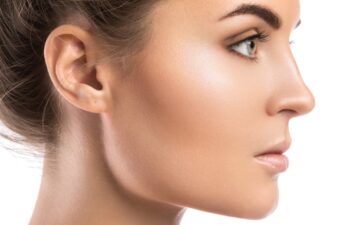
Having rhinoplasty that doesn’t meet your expectations—whether due to aesthetic dissatisfaction, functional problems, or surgical complications—creates frustration and often impacts confidence and quality of life. While no one wants to consider additional surgery after already undergoing rhinoplasty, revision surgery can correct problems and finally achieve the results you originally sought.
Revision rhinoplasty is significantly more complex than primary nose surgery, requiring advanced surgical skills, thorough understanding of nasal anatomy and healing, and extensive experience managing the challenges that scar tissue and altered structures create. Not all plastic surgeons who perform primary rhinoplasty possess the specialized expertise needed for successful revision surgery.
Dr. David Sayah, a board-certified plastic surgeon with specialized revision expertise and over 26 years of experience at The Sayah Institute in Beverly Hills, regularly helps patients from Los Angeles and around the world correct unsatisfactory rhinoplasty results. His advanced training at UCLA Medical Center, research background, and artistic approach to facial surgery provide the foundation for achieving successful outcomes even in complex revision cases.
Why Revision Rhinoplasty Is More Complex
Several factors make revision rhinoplasty technically demanding compared to primary surgery, requiring specialized expertise and experience.
Scar tissue from previous surgery creates significant challenges. The nose heals by forming scar tissue within and around surgical areas. This scarring distorts normal anatomy, obscures tissue planes, reduces tissue flexibility, and increases bleeding risk during surgery. Working through scar tissue requires meticulous dissection and extensive experience to avoid further damage.
Structural alterations from the first surgery affect revision planning. Cartilage may have been removed, repositioned, or weakened. Bone structure may be different. These changes limit the structural elements available for reconstruction and require creative surgical solutions to achieve desired outcomes.
Compromised tissue quality makes revision more challenging. Skin and soft tissues may be thinner, less flexible, or have reduced blood supply after previous surgery. These factors affect healing and limit how much additional change can be achieved safely.
Previous structural weakening or collapse may require grafting to restore proper support and function. Common graft sources include septal cartilage (if sufficient remains), ear cartilage, or rib cartilage for more extensive reconstruction. Managing grafts and ensuring their survival adds complexity.
The psychological aspect matters too. Patients approaching revision surgery often feel anxious, skeptical, or hesitant after a disappointing first experience. Building trust and establishing realistic expectations requires time, communication, and demonstrated expertise that reassures patients they’re finally in capable hands.
Common Problems Requiring Revision Surgery
Revision rhinoplasty addresses a wide range of aesthetic and functional concerns resulting from previous surgery.
Breathing difficulties represent a common reason patients seek revision. The first surgery may have weakened nasal structures, caused internal valve collapse, or created scar tissue obstructing airflow. Some patients had adequate breathing initially but developed problems as scar tissue contracted during healing. Revision surgery addresses these structural issues to restore proper nasal function.
Over-resection creates various problems. Removing too much cartilage or bone can collapse the nasal sidewalls, tip, or bridge. This creates both functional breathing issues and unnatural appearance. Reconstruction requires grafting to rebuild adequate structural support.
Under-correction means the original concerns weren’t adequately addressed. The nose may look better than before but still has a prominent hump, wide tip, or other features the patient hoped to change. Revision surgery can provide the additional refinement needed to achieve desired appearance.
Asymmetry bothers many revision patients. The nose may deviate to one side, have uneven nostrils, or show other asymmetric features. While perfect symmetry is impossible (natural noses aren’t perfectly symmetric), significant asymmetry can be improved through careful revision.
Unnatural appearance results from over-aggressive reduction or poor technique creating pinched tip, scooped bridge, visible irregularities, or other features that look “operated.” Revision surgery works to restore more natural contours while achieving aesthetic improvement.
Tip problems including over-rotation, under-rotation, lack of definition, or bulbous appearance often require revision. The nasal tip is technically challenging, and achieving ideal tip refinement while maintaining support and natural appearance requires considerable skill.
Scar tissue creating visible lumps or irregularities can be addressed through careful revision surgery, though complete elimination isn’t always possible depending on severity.
Ethnic or cultural concerns sometimes emerge when patients feel their nose lost important characteristics of their heritage. Some patients want features that honor their ethnic background while achieving refinement. Dr. Sayah’s experience treating international patients from diverse backgrounds and his fluency in multiple languages inform his culturally sensitive approach to revision surgery.
What to Look for in a Revision Rhinoplasty Surgeon
Choosing the right surgeon for revision rhinoplasty is more critical than choosing the primary surgeon, given the increased complexity involved.
Board certification by the American Board of Plastic Surgery or the American Board of Otolaryngology (for surgeons specializing in facial plastic surgery) ensures foundational training and knowledge. Dr. Sayah’s board certification and Fellowship with the American College of Surgeons (FACS) demonstrate his commitment to surgical excellence.
Specialized revision experience matters enormously. Ask how many revision rhinoplasties the surgeon performs annually and request before-and-after photos specifically of revision cases. Surgeons comfortable with revision work will readily share this information.
Advanced training and techniques indicate expertise. Dr. Sayah’s fellowship training in advanced endoscopic techniques and his experience with complex facial surgery provide technical skills essential for successful revision outcomes.
Hospital privileges at accredited institutions reflect peer recognition of surgical skills and judgment. Dr. Sayah maintains privileges at Cedars-Sinai Medical Center, Saint John’s, and UCLA—prestigious institutions that carefully credential their medical staff.
Artistic judgment and aesthetic sensitivity are essential. Revision rhinoplasty requires not just technical ability but also refined aesthetic sense to create natural, balanced results. Dr. Sayah’s background as an oil painter and sculptor informs his artistic approach to facial surgery.
Communication and trust matter significantly after a disappointing first surgery. You need a surgeon who listens carefully to your concerns, explains what’s possible realistically, and demonstrates genuine investment in achieving your satisfaction. The Sayah Institute’s boutique practice model ensures adequate consultation time and personalized attention throughout your journey.
International reputation often indicates expertise. Patients traveling significant distances specifically to see a surgeon typically do so because that surgeon possesses specialized skills difficult to find elsewhere. Dr. Sayah regularly treats patients from the Middle East, Europe, Asia, and South America who seek his revision rhinoplasty expertise.
Timing Considerations for Revision Surgery
Understanding when to pursue revision surgery affects both safety and outcomes.
Generally, waiting at least one year after primary rhinoplasty is recommended before revision. The nose continues healing and changing for 12-18 months after surgery. Swelling gradually resolves, scar tissue matures, and final results emerge. What appears problematic early in healing may improve considerably with time.
However, exceptions exist. Severe breathing problems, major structural collapse, or other functional issues may warrant earlier intervention. Obvious surgical errors or extremely poor results might justify revision before the full year, though this requires careful consideration of risks versus benefits.
Patience benefits outcomes. Operating through immature scar tissue increases surgical difficulty and complication risks. Allowing complete healing provides clearer view of what actually needs correction and increases the likelihood of successful revision.
Use the waiting period productively. Research surgeons thoroughly, schedule multiple consultations, and take time making an informed decision about who will perform your revision. After a disappointing first experience, rushing into revision with inadequate research risks repeating the problem.
During consultation, Dr. Sayah evaluates your healing stage, discusses timing recommendations for your specific situation, and helps you understand what revision surgery can realistically achieve given your nasal anatomy and the changes from previous surgery.
What Revision Rhinoplasty Recovery Involves
Recovery from revision rhinoplasty is generally similar to primary surgery, though some aspects may differ.
The first week involves significant swelling and bruising, particularly around the eyes. A splint protects the nose for about one week. Most discomfort is manageable with prescribed pain medication, though many patients find revision surgery somewhat more uncomfortable than their first rhinoplasty.
Nasal congestion from internal swelling affects most patients during the first couple weeks. Breathing may temporarily feel worse than before surgery, improving gradually as swelling resolves.
Most patients return to desk work within 10-14 days once external splints are removed and obvious swelling has decreased. Strenuous exercise should wait 4-6 weeks to avoid bleeding or injury risks.
Swelling resolves gradually over many months. While you’ll look presentable within 2-3 weeks, subtle swelling continues improving for 12-18 months. This prolonged healing timeline is normal for all rhinoplasty, not just revisions.
Results continue refining as scar tissue matures and settles. Final assessment of revision success requires patience as the nose completes its healing process.
Setting Realistic Expectations
Understanding what revision rhinoplasty can and cannot achieve helps ensure satisfaction with outcomes.
Revision surgery can significantly improve appearance and function, but it cannot create perfection. Some limitations exist based on your anatomy, previous surgical changes, and the extent of reconstruction needed.
Minor imperfections may persist after revision. The goal is substantial improvement and patient satisfaction, not necessarily perfection. Discussing specific goals and what’s realistically achievable during consultation prevents disappointment.
Additional subtle refinement might be needed in some cases. While most patients achieve their goals with a single revision, complex cases occasionally benefit from staged procedures or minor touch-ups.
Functional and aesthetic improvements often both matter. Many revision patients have both breathing concerns and aesthetic dissatisfaction. Comprehensive revision addresses both aspects when possible.
Cultural and ethnic considerations should be discussed openly. Dr. Sayah’s international experience and cultural sensitivity mean he understands that aesthetic preferences vary across backgrounds. Revision surgery can honor your heritage while achieving the refinement you desire.
Begin Your Revision Journey at The Sayah Institute
If you’re unhappy with previous rhinoplasty results and considering revision surgery, choosing a surgeon with specialized expertise in complex nasal surgery is essential. Dr. Sayah’s advanced training, extensive experience with revision rhinoplasty, artistic approach, and commitment to patient satisfaction provide the foundation for achieving successful outcomes.
The Sayah Institute welcomes patients from Los Angeles, throughout California, and around the world. Dr. Sayah’s fluency in English, French, Spanish, Farsi, and Italian ensures comfortable communication for international patients. His reputation for successful revision rhinoplasty has made The Sayah Institute a destination for patients seeking correction of unsatisfactory nose surgery results.
Contact us to schedule your consultation. Learn what revision surgery can achieve for your specific situation and take the first step toward finally obtaining the nose you originally hoped for.
Medically reviewed by David N. Sayah, MD, MD, FACS on
Posted on behalf of
436 North Bedford Drive Suite 202
Beverly Hills, CA 90210
Phone: (310) 385-0000