Every scar tells a story — of surgery, injury, acne, or healing that did not unfold as hoped. While no scar can be erased completely, scar revision can meaningfully improve how a scar looks and feels, softening its texture, realigning it with the skin’s natural creases, and helping it blend into the surrounding tissue. For patients across Los Angeles and Beverly Hills who feel self-conscious about a prominent, raised, or restrictive scar, this treatment offers a thoughtful, medically grounded path toward smoother, more natural-looking skin.
Scar revision is a discipline where surgical precision meets a deep understanding of how skin heals — and few surgeons bring more directly relevant expertise to it than Dr. David Sayah. A board-certified plastic surgeon and Fellow of the American College of Surgeons with more than 26 years of experience, Dr. Sayah completed his plastic surgery residency at UCLA Medical Center following general surgery training at NYU Medical Center. His research into wound healing and scar formation — including peer-reviewed work on apoptosis in keloid tissue published in the Journal of Surgical Research and Plastic and Reconstructive Surgery — directly informs the techniques he uses to treat even the most stubborn scars.
I had my 2nd procedure with the Sayah Institute and it was nothing short of amazing 🤩. Dr.Sayah is one of the most knowledgeable, respectful, caring and gifted surgeons I’ve ever met!! He cares about what’s best for his patients and then he execute the procedure. I am so glad I reached out to The Sayah institute because the entire staff are very supportive, caring , and helpful. Natalie basically held my hand through the entire process and made sure all my needs were met. They not only take care of me as a patient but they let me know that I’m family as well. Now, that’s the best feeling ever coming from your provider and his staff!!!
A Research-Driven Approach to Scar Treatment
Most surgeons treat scars from the outside in. Dr. Sayah’s scientific background allows him to think about them from the inside out — understanding the cellular processes that cause certain scars to thicken, raise, or recur, and choosing techniques that work with the skin’s biology rather than against it. This is particularly valuable for keloid and hypertrophic scars, which often resist conventional treatment and tend to return when managed without a tailored, multi-step strategy.
That scientific foundation is paired with an artist’s eye. As an accomplished oil painter and sculptor, Dr. Sayah evaluates each scar in the context of proportion, symmetry, and the natural lines of the face or body, planning revisions that are as aesthetically considered as they are technically sound.
“When you study how a scar forms at the cellular level, you treat it differently. Scar revision isn’t about hiding a mark — it’s about working with the skin’s biology to give it the best possible chance to heal smoothly.” — Dr. David Sayah
That same research shapes how he treats the most stubborn scars. Because his work showed that keloids form when abnormal cells fail to undergo apoptosis — the body’s natural process of programmed cell death — Dr. Sayah addresses them with a multimodality strategy rather than surgery alone, combining surgical scar revision with steroid injections, targeted injection of chemotherapy agents, and low-dose radiation therapy to discourage the scar from returning. Matching the treatment to the biology is what gives even recurrence-prone keloids their best chance at a lasting result.
What Scar Revision Involves
Scar revision is not a single procedure but a family of techniques selected to match the scar’s type, size, depth, and location. After evaluating the scar and surrounding skin, Dr. Sayah recommends the approach — or combination of approaches — most likely to deliver a refined, durable result. Common methods include:
- Surgical Excision: the scar tissue is removed and the wound closed with meticulous, layered techniques to encourage a finer, less visible line.
- Geometric Revision: Z-plasty or W-plasty repositions a scar so it follows the skin’s natural tension lines and becomes far harder to notice.
- Flap or Graft Repair: larger or contracted scars may be reconstructed with adjacent healthy tissue to restore both appearance and function.
- Nonsurgical Adjuncts: corticosteroid injections, laser resurfacing, and medical skincare can refine results or treat scars that do not require surgery.
For raised or recurring scars, these methods are often combined into a staged plan — a reflection of how complex keloid and hypertrophic scarring can be to manage well.


Scars That Respond to Revision
Not every scar needs treatment, and not every scar improves the same way. The scars that respond most predictably to revision tend to fall into a few categories:
- Hypertrophic Scars: these raised, firm scars stay within the original wound borders and often soften considerably with the right approach.
- Keloid Scars: these grow beyond the original injury and demand a specialized, multi-step strategy because of their tendency to return.
- Contracture Scars: tight scars that restrict movement — common after burns — can be released to restore both comfort and function.
- Surgical and Traumatic Scars: marks left by prior operations or injuries are frequently realigned and refined into a far less noticeable line.
Patients pursue revision for reasons that go beyond appearance — easing physical discomfort, restoring range of motion, and regaining the confidence that a visible scar can quietly erode.
What to Expect During Treatment
The process begins with a thorough consultation in Beverly Hills, where Dr. Sayah examines the scar, discusses its history, and listens to your goals before recommending a customized plan. Many revisions are performed as outpatient procedures using local or general anesthesia depending on the scar’s complexity, and recovery varies accordingly — minor revisions may involve only brief downtime, while larger reconstructions require more healing.
Scars also continue to mature for many months after treatment, gradually softening and fading. Honest expectation-setting is central to the experience: the aim is meaningful, lasting improvement rather than the impossible promise of complete erasure.
“No two scars are alike, and neither are two patients. My goal is always to set honest expectations and then exceed them — to take a scar and make it far less noticeable than the patient ever thought possible.” — Dr. David Sayah
Frequently Asked Questions About Scar Revision
-
No treatment can erase a scar entirely, and any surgeon who promises otherwise should be approached with caution. Scar revision is designed to make a scar significantly less noticeable — flatter, narrower, better color-matched, and better aligned with the skin’s natural lines.
-
Hypertrophic scars, keloids, contracture scars from burns, acne scars, and scars left by prior surgery or injury can all be candidates. The right technique depends on the scar’s size, depth, and location, which Dr. Sayah determines during your consultation.
-
The procedure itself is performed under anesthesia, so it is not painful, and most patients manage any post-procedure discomfort with simple measures. Recovery depends on the technique used, ranging from minimal downtime for small revisions to a longer healing period for more extensive reconstruction.
-
Many scars are best revised once they have fully matured, often a year or more after the original wound, since they continue to change as they heal. Certain scars, particularly keloids, may benefit from earlier intervention, which is why timing is assessed individually.
-
Coverage varies. Revisions that restore function — such as releasing a contracture that limits movement — may be eligible, while purely cosmetic revisions are typically considered elective. Our team can help you understand your options before treatment.
-
Keloids grow beyond the original wound and are prone to returning, so they require a specialized, often multi-step plan rather than surgery alone. Dr. Sayah’s research into keloid tissue directly shapes how he approaches these challenging scars.
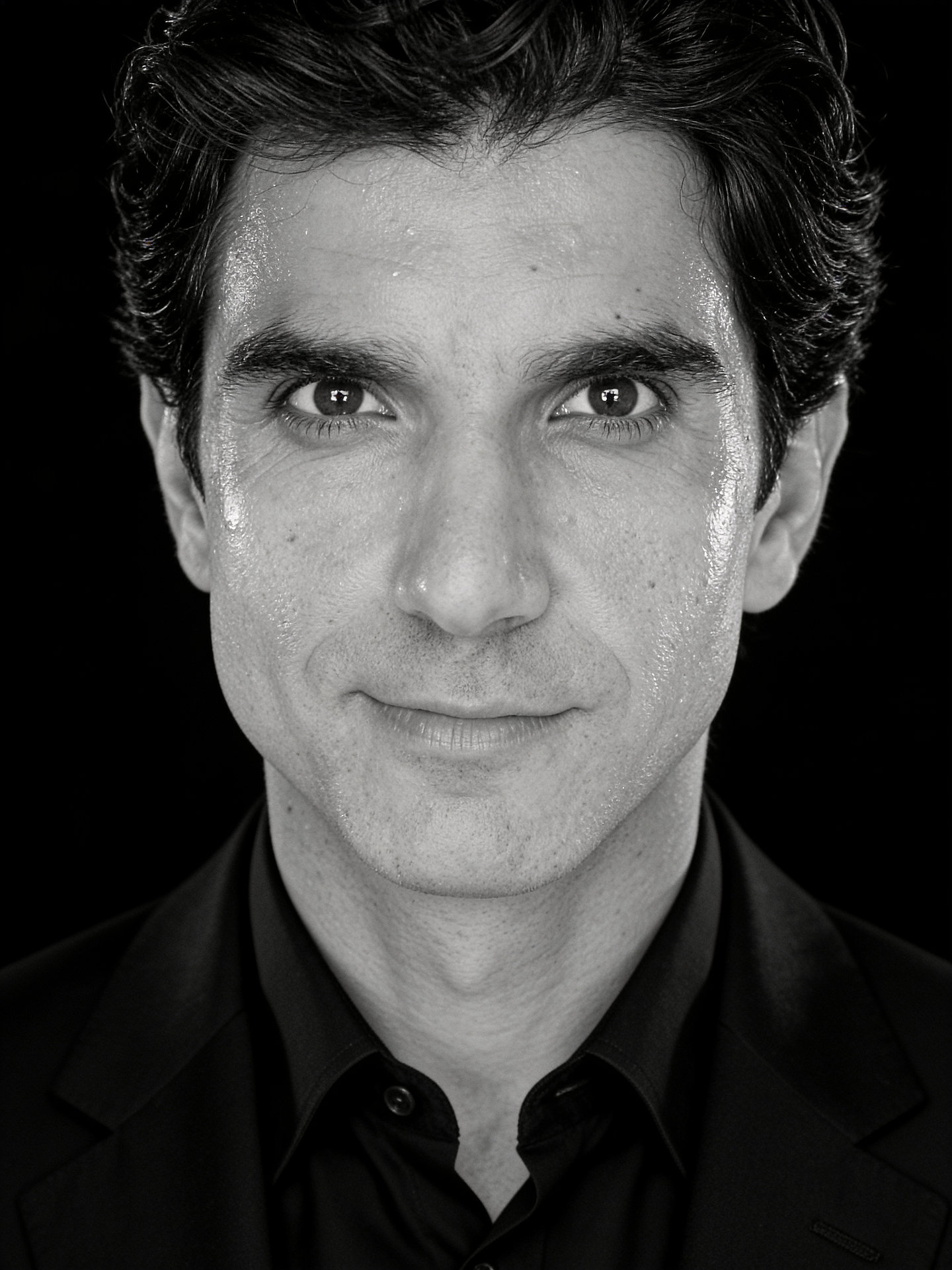
Why Patients Choose The Sayah Institute
- Board-Certified Expertise: a Diplomate of the American Board of Plastic Surgery with more than 26 years in practice.
- Research-Based Technique: published, peer-reviewed work in wound healing and keloid formation informs every plan.
- Individualized Treatment: each scar is evaluated on its own terms, with a strategy built around its type and your goals.
- A Boutique Setting: a private, accredited Beverly Hills surgical suite where Dr. Sayah personally oversees your care.
Meet Dr. David Sayah
Dr David Sayah is a board certified plastic surgeon in Beverly Hills known for his natural approach to aesthetic surgery. With more than 26 years of experience, he combines surgical precision with artistic insight to deliver balanced and refined results. His philosophy centers on enhancing individual beauty rather than changing it.
A graduate of the UCLA School of Medicine and a Fellow of the American College of Surgeons, Dr Sayah trained at leading medical centers including NYU and UCLA. His work in wound healing and scar formation research helps patients heal beautifully with minimal scarring. Fluent in five languages, he welcomes patients from Beverly Hills, Los Angeles, and across the world who seek exceptional, natural results.
Schedule Your Scar Revision Consultation in Beverly Hills
If a scar is affecting your comfort or confidence, a consultation is the first step toward understanding what is possible. Dr. David Sayah combines board-certified surgical skill, a research-driven understanding of how skin heals, and an artist’s eye to help patients throughout Los Angeles and Beverly Hills achieve smoother, more natural-looking results. Call The Sayah Institute at (310) 385-0000 or request a consultation to discuss your scar revision options.