Living with hidradenitis suppurativa means contending with painful, recurring nodules and abscesses in the most sensitive areas of the body — and too often, the surgical solutions offered come with their own toll: wide excisions, long recoveries, and prominent scars. For patients seeking relief without that trade-off, a more refined, scar-conscious approach can make a meaningful difference.
Dr. David N. Sayah is a board-certified plastic surgeon and Fellow of the American College of Surgeons with more than 26 years of experience and residency training at UCLA Medical Center. His approach to hidradenitis is grounded in his own published research on wound healing and scar formation — work that demonstrated how programmed cell death, or apoptosis, governs the way scars develop, and why targeted radiation and steroids can influence that process. That science underpins the multimodality technique he uses to treat hidradenitis with far smaller scars than conventional surgery.
I had my 2nd procedure with the Sayah Institute and it was nothing short of amazing 🤩. Dr.Sayah is one of the most knowledgeable, respectful, caring and gifted surgeons I’ve ever met!! He cares about what’s best for his patients and then he execute the procedure. I am so glad I reached out to The Sayah institute because the entire staff are very supportive, caring , and helpful. Natalie basically held my hand through the entire process and made sure all my needs were met. They not only take care of me as a patient but they let me know that I’m family as well. Now, that’s the best feeling ever coming from your provider and his staff!!!
What Is Hidradenitis Suppurativa?
Hidradenitis suppurativa is a chronic inflammatory condition in which the immune system reacts abnormally around the skin, hair follicles, and the sweat and oil glands. It tends to be most active in areas where skin rubs against skin — the underarms, the groin, and the inner thighs — producing tender lumps, abscesses, and, over time, tunneling and scarring beneath the surface. Because it is a recurring immune condition rather than an infection or a matter of hygiene, lasting control often requires more than a single intervention.
The Limits of Standard Surgery
For more advanced hidradenitis, the conventional surgical answer is wide excision — removing the entire affected area of skin and the glands beneath it. While this can reduce flare-ups, it frequently leaves large wounds that heal slowly and produce significant scarring, particularly in the delicate underarm and groin regions where movement and friction are constant. For many patients, the prospect of trading active disease for a permanent, conspicuous scar is reason enough to delay care.


A Multimodality Approach to Smaller Scars
Dr. Sayah developed a multimodality technique designed to control hidradenitis while keeping scars to a minimum. Rather than removing large sections of tissue, he performs a limited excision through smaller incisions, then treats the area immediately with low-dose electron-beam radiation and steroid injections. The electron-beam radiation penetrates only a few millimeters into the skin, so it targets the affected tissue without reaching deeper structures — and it is delivered at a far lower dose than radiation used to treat cancer, over just a few sessions in a single week rather than months of treatment.
“My goal is to bring the disease under control without leaving a patient with scars they’ll feel self-conscious about for years to come — the biology of healing tells us we can do both.” — Dr. David N. SayahThis combined strategy reflects the same principle behind Dr. Sayah’s scar research: by pairing precise surgery with treatments that influence how tissue heals, the body tends to form a smaller, less reactive scar. The approach can be applied to hidradenitis anywhere on the body.
What to Expect
Treatment begins with a consultation to evaluate the severity and location of your hidradenitis and to determine whether the multimodality approach is right for you. The limited excision is performed first, followed promptly by the radiation and steroid component while the tissue is in its earliest healing phase. Because the incisions are smaller, many patients experience a more comfortable recovery and notably less scarring than wide excision typically produces. Individual results vary with the extent of the condition, and Dr. Sayah will outline a realistic plan for your specific case.
Frequently Asked Questions About Hidradenitis Treatment
-
The electron-beam radiation penetrates only a few millimeters and is delivered at a much lower dose than cancer radiation, over a handful of sessions in a single week, so it targets the treated area without affecting deeper structures.
-
Some scarring is unavoidable with any surgery, but this approach is designed to keep scars far smaller than those left by traditional wide excision.
-
Yes. Dr. Sayah’s technique can be applied to hidradenitis in any affected area, including the underarms, groin, and inner thighs.
-
Hidradenitis is a chronic condition, so the aim of treatment is lasting control of the affected areas rather than a guaranteed permanent cure; Dr. Sayah will discuss realistic expectations for your case.
-
Because the excisions are smaller than in conventional surgery, recovery is often more comfortable, though the exact timeline depends on the severity and location treated.
-
Hidradenitis is a recognized medical condition, so treatment is often covered when deemed medically necessary; our team can help verify your coverage before you begin.
Why Choose Dr. Sayah for Hidradenitis Treatment
- Research-Backed Technique: Dr. Sayah’s approach grows directly from his own published research on wound healing and scar formation.
- Minimal-Scar Focus: Limited excision is designed to control disease while sparing patients the large scars of wide excision.
- Specialized Combined Therapy: Surgery, low-dose electron-beam radiation, and steroid injections work together to reduce recurrence and scarring.
- Whole-Body Experience: The technique can be tailored to hidradenitis in the underarms, groin, inner thighs, and beyond.
Meet Dr. David Sayah
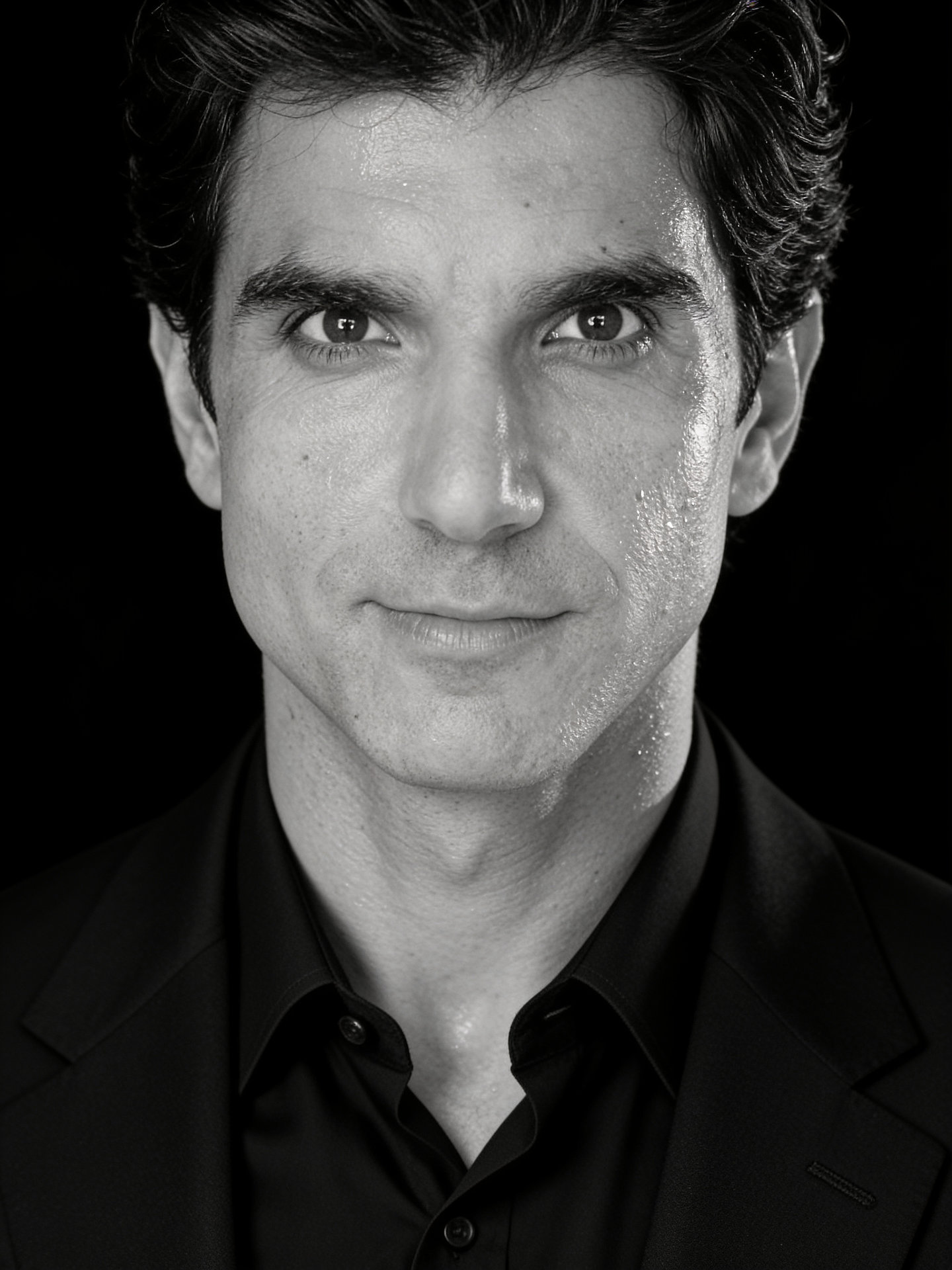
Dr David Sayah is a board certified plastic surgeon in Beverly Hills known for his natural approach to aesthetic surgery. With more than 26 years of experience, he combines surgical precision with artistic insight to deliver balanced and refined results. His philosophy centers on enhancing individual beauty rather than changing it.
A graduate of the UCLA School of Medicine and a Fellow of the American College of Surgeons, Dr Sayah trained at leading medical centers including NYU and UCLA. His work in wound healing and scar formation research helps patients heal beautifully with minimal scarring. Fluent in five languages, he welcomes patients from Beverly Hills, Los Angeles, and across the world who seek exceptional, natural results.
Schedule a Hidradenitis Consultation in Beverly Hills
If hidradenitis has kept you from seeking treatment for fear of scarring, Dr. Sayah’s scar-conscious approach offers another path. Serving patients throughout Beverly Hills and the greater Los Angeles area, his practice provides a thorough evaluation and a personalized plan built around lasting relief and the smallest possible scars. Contact the office today to schedule your consultation.
Medically reviewed by David N. Sayah, MD, MD, FACS on